




































































































































































































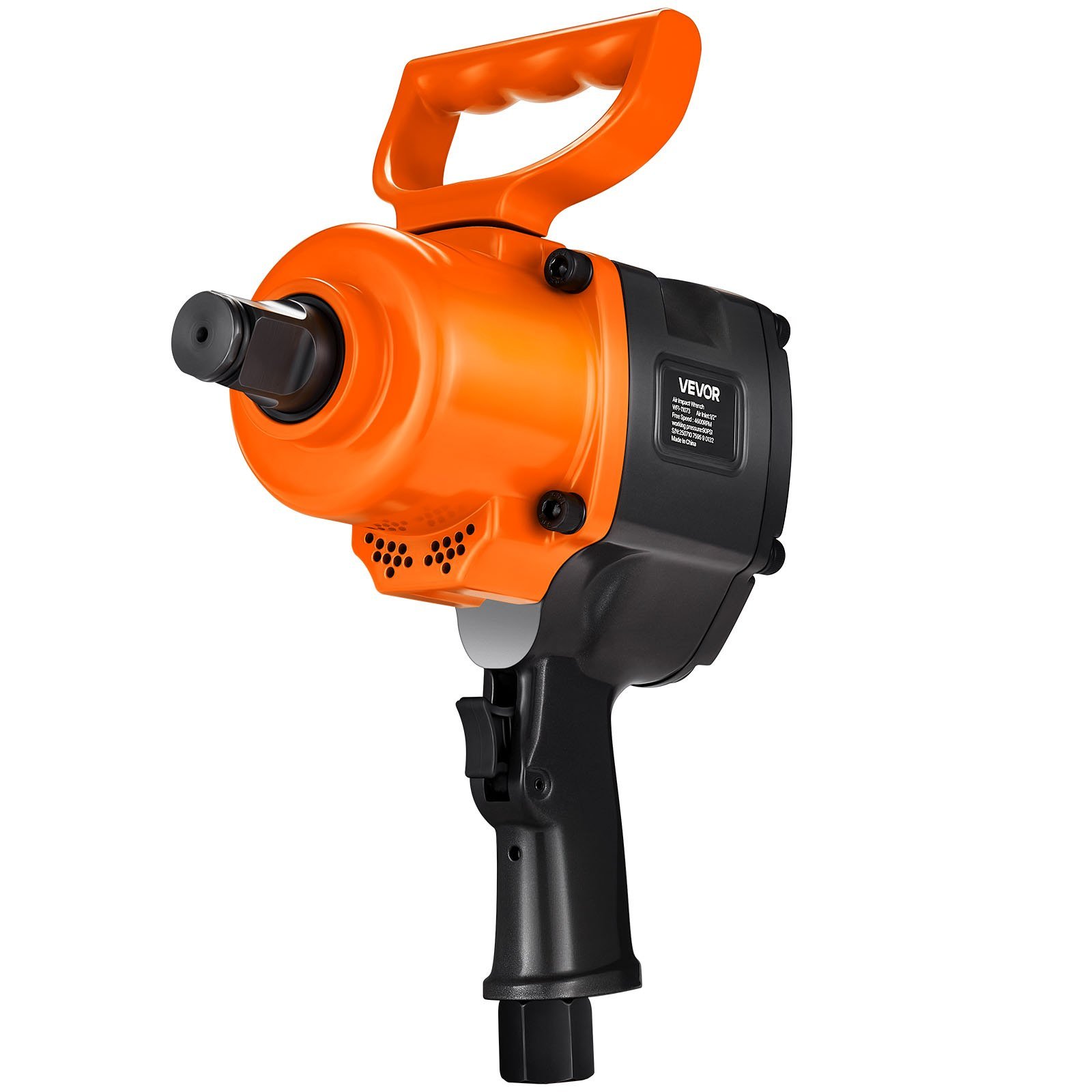

This 1-inch air impact wrench is an exceptional choice for heavy-duty repairs and maintenance. Delivering up to 1,200 ft-lbs of nut-busting torque, it effortlessly tackles stubborn fasteners. Weighing just 16.4 pounds, its ergonomic double-handle design provides superior control and reduces fatigue, making it a powerful yet manageable pneumatic tool for demanding professional jobs.
Best 1 Inch Air Impact Wrench for Heavy Duty Repairs
When you are dealing with rust-locked semi-truck lug nuts, heavy machinery assembly, or structural steel bolting, standard 1/2-inch and 3/4-inch tools simply stall out. You need serious pneumatic power that translates directly into breakaway force without destroying your wrists. Finding the best 1 inch air impact wrench, up to 1200 ft-lbs nut-busting torque, 16.4 lbs lightweight pneumatic impact gun with double handles for heavy duty repairs and maintenance changes how your shop handles stubborn fasteners by combining raw power with manageable weight.
Priced at $250.77, this heavy-duty pneumatic tool bridges the gap between industrial-grade performance and shop-floor affordability. Whether you run a commercial truck repair facility, a heavy equipment maintenance yard, or tackle serious agricultural restoration, understanding how torque delivery, weight distribution, and hammer mechanisms impact your daily workflow will help you make an informed investment.
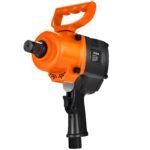
Table of Contents
Key Features of High-Power Air Impact Wrenches
Twin Hammer Impact Mechanisms
The internal striking mechanism dictates how efficiently an air tool transfers rotational energy to a fastener. High-power units rely on a twin hammer design rather than a single rocking dog. This dual-hammer layout delivers balanced, simultaneous blows to the anvil from opposite sides, minimizing vibration while maximizing the impact frequency. When you pull the trigger, the tool immediately ramps up force to break stubborn threads loose in seconds.
Adjustable Power Settings
Precision is just as important as raw power. Running a fastener down with maximum torque can strip threads or shear bolts entirely. Quality pneumatic impact guns feature multi-stage regulator dials—typically offering separate forward and reverse settings. This allows you to spin down delicate hardware at a lower speed and reserve maximum output exclusively for rusted breakaway tasks.
Housing Materials and Durability
Shop environments are notoriously harsh. Drop an impact gun on a concrete floor or expose it to grease, oil, and moisture, and inferior plastics will crack or warp. A cast aluminum alloy housing provides the structural rigidity needed to protect the internal motor and air cylinder while keeping the overall tool weight low enough for overhead or horizontal truck work.
Understanding Torque and Performance in Heavy-Duty Repairs
Nut-Busting Torque vs. Working Torque
Manufacturers often list two different torque figures, and confusing them leads to buying the wrong tool. Working torque measures the consistent rotational force the wrench applies while tightening a fastener under normal operating conditions. Nut-busting torque, on the other hand, measures the maximum breakaway force the tool can generate in reverse to free a rusted or over-tightened bolt. For commercial truck tires and industrial maintenance, focusing on a high nut-busting rating is essential.
Air Consumption and Compressor Requirements
No matter how much torque your impact gun is rated for, it will underperform if your shop air supply cannot keep up. High-displacement pneumatic tools require adequate CFM (cubic feet per minute) delivery at a stable 90 PSI operating pressure. Using undersized air hoses or restrictive quick-connect fittings chokes the airflow, starving the motor of the volume it needs to hit its maximum impact speed and torque threshold.
Application Specifics in Commercial Shops
A 1-inch drive platform is engineered for tasks where smaller drives twist off or fail. Think of front-end axle nuts, grading equipment tracks, heavy structural frames, and semi-truck wheel service. Having the right torque output ensures your technicians spend less time fighting stubborn hardware with long breaker bars and cheater pipes, significantly reducing labor hours on major overhaul jobs.
Ergonomics and Weight: Why Dual Handles Matter
Managing Tool Weight Over Long Shifts
Industrial pneumatic tools have historically suffered from a major drawback: extreme weight. Traditional 1-inch wrenches often weighed 22 pounds or more, causing rapid shoulder and forearm fatigue. At 16.4 lbs, modern lightweight designs dramatically reduce physical strain, allowing technicians to work through multi-axle brake jobs or equipment teardowns without debilitating fatigue.
The Advantage of Dual Handle Configurations
When you apply 1200 ft-lbs of breakaway torque, the reaction force wants to twist the tool out of your hands. Single-handle wrenches require immense grip strength to counteract this rotational kickback. A dual-handle setup distributes the reaction force across both arms, giving you stable, two-handed control that keeps the socket squarely aligned on the fastener head.
Vibration Reduction and Operator Safety
Continuous exposure to high-vibration pneumatic tools can lead to hand-arm vibration syndrome (HAVS) and joint pain over years of professional wrenching. Ergonomic grips wrapped in textured, anti-slip rubber help dampen high-frequency impacts before they travel deep into your hands, ensuring safer, more comfortable operation during extended repair sessions.
Maintenance Tips to Extend Your Pneumatic Tool Lifespan
Daily Air Line Lubrication
Moisture is the silent enemy of pneumatic motors. Compressed air naturally generates condensation, which washes away internal oil and causes rust on steel vanes and cylinders. Adding 3 to 5 drops of pneumatic tool oil directly into the air inlet before every shift keeps internal seals pliable and prevents premature wear on the rotor blades.
Filter, Regulator, and Lubricator (FRL) Units
Investing in a dedicated FRL setup downstream from your shop compressor protects your investment automatically. The filter traps water and solid particulate matter before they reach the tool, the regulator maintains steady working pressure, and the lubricator meters a fine mist of oil into the air stream while you work.
Proper Storage and Anvil Inspection
When the work is done, store your impact gun off the floor in a clean, dry cabinet. Periodically inspect the square drive anvil for wear or rounding. Using worn-out sockets on a high-torque anvil will deform the drive corners, reducing grip and eventually causing sockets to slip during high-load operations.
Pros and Cons
Pros
- Delivers up to 1200 ft-lbs of nut-busting torque to handle stubborn, rusted fasteners effortlessly
- Lightweight 16.4 lb aluminum alloy construction minimizes operator fatigue during long repair shifts
- Dual-handle design provides superior control and stability against high rotational reaction forces
- 6-speed torque adjustment (3 forward, 3 reverse) allows precise power control for different tasks
- Twin hammer mechanism ensures rapid impact delivery and balanced vibration reduction
Cons
- Requires a robust shop air compressor capable of supplying high CFM at 90 PSI
- Larger profile than 1/2-inch or 3/4-inch wrenches, which can limit access in extremely tight engine bays
- Pneumatic hose tether limits unrestricted movement compared to cordless alternatives
- Requires consistent manual oiling or an inline lubricator to prevent internal corrosion
Frequently Asked Questions
What size air compressor do I need to run this 1 inch impact wrench?
To get the best performance from a high-power pneumatic gun, your compressor should be at least a 60-gallon unit capable of delivering adequate CFM at 90 PSI. Using a smaller 20-gallon portable compressor will cause pressure drops, starving the tool of air volume during prolonged continuous use.
Can I use standard 1/2-inch drive sockets with this tool?
No. This tool features a 1-inch square drive anvil. You must use impact-rated 1-inch drive sockets designed to withstand high torque loads without shattering or splitting under heavy industrial use.
How does the 6-speed torque adjustment work?
The tool features an integrated regulator valve that controls the volume of compressed air entering the motor. The 3 forward and 3 reverse settings let you limit power for assembly work where over-tightening is a risk, while opening the valve fully delivers maximum torque for breaking loose rusted bolts.
Is this impact wrench suitable for commercial truck tire service?
Yes. With 1200 ft-lbs of nut-busting torque, this pneumatic gun easily handles stubborn semi-truck lug nuts, heavy equipment track bolts, and structural machinery fasteners that smaller wrenches cannot budge.
How often should I lubricate the internal mechanism?
You should add 3 to 5 drops of air tool oil into the air inlet fitting before every day of use. If you use the tool continuously throughout the day, an inline automatic lubricator is recommended to ensure constant protection.
Equipping your shop with the right heavy-duty hardware transforms frustrating teardowns into smooth, efficient maintenance jobs. By combining high breakaway force, a manageable 16.4 lb weight, and the stability of dual handles, this pneumatic wrench delivers the reliability professional technicians demand every day.

Related Products You May Like