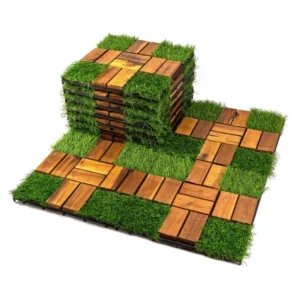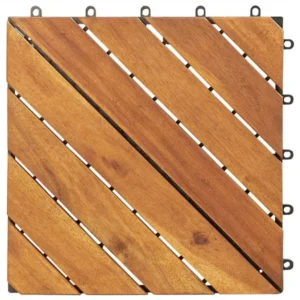








































































































































































































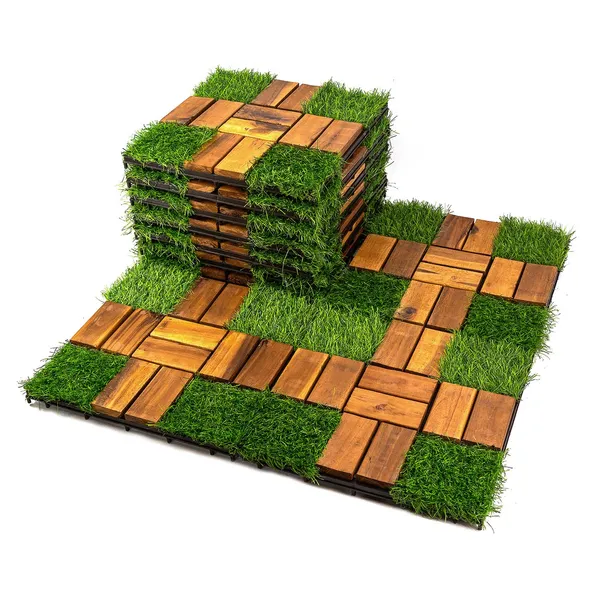
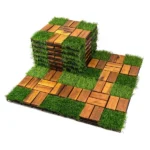
The best 10pc 12-inch by 12-inch high-quality acacia wood modular flooring, Model 057, features an interlocking design that makes installation quick and tool-free. Crafted from durable, weather-resistant acacia wood, it instantly elevates indoor and outdoor spaces with natural elegance, combining sophisticated style with reliable comfort and long-lasting performance.
Upgrading an outdoor living space often comes with a hefty price tag and a complicated construction schedule. Whether you are dealing with cracked concrete on a rental balcony or a weathered wooden deck that needs a facelift, tearing out old flooring is messy and labor-intensive. Fortunately, modular decking offers a practical alternative that snaps together over almost any hard, flat surface without requiring nails, glue, or specialized woodworking tools.
When searching for a durable, visually rich material that stands up to foot traffic and changing weather conditions, the best 10pc 12inch*12inch high-quality acacia wood modular flooring, model 057, is easy to install and enhances your home’s elegance and comfort. Priced at just $32.57 for a ten-piece pack, this modular system lets you cover small-to-medium areas efficiently while delivering the warmth of genuine hardwood. In this guide, we break down everything you need to know about these interlocking tiles, from installation to long-term maintenance.
Acacia wood is widely recognized in outdoor design for its natural density, rich grain patterns, and inherent resistance to moisture and insects. By utilizing a modular interlocking grid underneath each slat, these tiles allow water to drain freely beneath the surface, preventing pooling and slip hazards. Read on to discover why model 057 stands out in the woodworking machinery and home improvement category.
Table of Contents
Why Choose Acacia Wood Modular Flooring for Your Home
Natural Durability and Weather Resistance
Hardwood performance outdoors depends heavily on the species of timber used. Acacia is a dense hardwood that contains natural oils, making it far less susceptible to rotting, fungal decay, and warping compared to softer pines or firs. When exposed to rain, humidity, and direct sun, acacia maintains its structural integrity over years of use. This makes it an ideal choice for uncovered balconies, patio surrounds, and garden pathways where moisture exposure is constant.
Aesthetics and Comfort Underfoot
Beyond technical durability, the visual appeal of real wood instantly elevates outdoor spaces from purely functional to inviting. Acacia features a striking variation of golden browns, deep ambers, and occasional reddish undertones that complement both modern minimalist architecture and traditional rustic landscaping. Unlike cold concrete or synthetic plastic decking that absorbs intense heat in the summer sun, wood slats remain comfortable for bare feet, allowing you to step outside without discomfort.
Versatility Across Multiple Surfaces
One of the primary advantages of choosing modular flooring is its adaptability. The interlocking plastic base elevates the wood slats roughly three-quarters of an inch off the ground. This elevation means you can lay these tiles directly over cracked concrete slabs, old ceramic patio tiles, uneven balcony floors, or even tightly packed gravel. There is no need to rip out existing hardscapes; you simply float the tiles over the top, transforming the aesthetic of your space in a single afternoon.
Key Specifications and Materials of Model 057 Tiles
Dimensions and Coverage Specifications
Understanding the exact dimensions of your building materials ensures you order the correct quantity for your space. Each tile in the model 057 package measures precisely 12 inches by 12 inches, providing a square-foot of coverage per piece. With ten pieces included in each box, you receive a total coverage area of 10 square feet. The overall thickness of the tile is approximately 0.8 inches, striking a balance between robust wood slat depth and low clearance underneath standard swinging doors.
Construction and Interlocking Grid Design
The engineering beneath the wood surface is what makes installation straightforward. The slats are fastened to a high-density polyethylene (HDPE) plastic base using corrosion-resistant screws inserted from the underside. This plastic grid features an integrated interlocking system with tabs and loops on adjacent sides. You simply align the tabs of one tile with the slots of the next and press down firmly until they click into place. The plastic base also acts as a moisture barrier, keeping the underside of the wood dry by promoting rapid sub-floor airflow.
Sourcing and Wood Quality
Model 057 utilizes carefully selected acacia slats spaced evenly apart. This spacing is not just aesthetic; it allows the wood to expand and contract naturally with changes in ambient temperature and humidity without buckling or cracking the joints. The wood is pre-treated at the factory with a protective base coat to seal the grain and highlight its natural chatoyancy, ensuring it arrives ready for immediate outdoor placement.
How to Install Interlocking Wooden Patio Tiles Yourself
Preparing Your Sub-Floor
While interlocking tiles are forgiving, proper sub-floor preparation ensures a stable, long-lasting installation. Start by clearing your patio, balcony, or deck of all furniture, planters, and debris. Sweep the surface thoroughly and wash away built-up dirt or grease. Inspect the area to ensure it is relatively flat and drains properly. If there are major depressions where water pools deeply, consider filling them or keeping your tile layout away from those specific low spots to maintain optimal drainage.
Laying the First Tiles
Begin your installation in a corner or along a straight wall to establish a clean edge. Place the first tile down with the interlocking loops facing outward in the direction you plan to build. Take the second tile, align its locking tabs over the loops of the first tile, and press down with the palm of your hand or step on the joint gently until it snaps securely. Continue this row outward, working across your designated area row by row. The process requires no hammers, nails, or adhesive, making it accessible for any DIY skill level.
Customizing Around Corners and Obstacles
Few balconies or patios are perfectly square, meaning you will likely need to cut tiles to fit around posts, drains, or corners. Because the wood slats are screwed into the plastic base from underneath, customization is simple. Flip the tile over, unscrew the wood slats from the plastic grid in the section you need to remove, and use a standard jigsaw or hand saw to cut through the plastic base and wood slats to your required shape. You can then reinstall the trimmed wood pieces onto the cut plastic grid if necessary, or simply use the modified tile edge against the wall.
Maintenance Tips to Keep Your Wooden Flooring Looking New
Routine Cleaning and Debris Removal
Maintaining the rich look of your modular flooring requires minimal effort. Sweep away leaves, dirt, and organic debris weekly to prevent moisture retention and staining. For routine cleaning, scrub the surface gently using a soft-bristle brush, mild dish soap, and warm water, then rinse thoroughly with a garden hose. Avoid using harsh chemical bleach or high-pressure power washers held too close to the wood, as intense water pressure can raise the wood grain and strip away protective sealants.
Applying Protective Wood Oil
Like all outdoor hardwoods, acacia will naturally weather to a soft, silvery-gray patina over time if left exposed to UV rays and rain. If you prefer to maintain the original deep amber and golden-brown tones, apply a penetrating hardwood oil or teak oil once or twice a year. Choose a dry, overcast day, ensure the tiles are completely clean and dry, and wipe on a thin coat of oil using a lint-free cloth. Allow it to penetrate for 15 to 20 minutes before buffing off any excess residue.
Winter Storage and Off-Season Care
If you live in a region with harsh winter freezing temperatures and heavy snow accumulation, you can leave your tiles installed as long as your sub-floor drains well. However, if your balcony or patio experiences severe freeze-thaw cycles that trap ice against the plastic base, you may choose to un-click the modular tiles, stack them neatly, and store them in a garage or shed until spring. The quick-disconnect nature of the system makes seasonal removal just as fast as the initial setup.
Pros and Cons
Pros
- Tool-free snap-together interlocking installation saves time and labor costs
- Dense acacia hardwood offers superior natural resistance to decay and insects
- Elevated plastic grid promotes efficient water drainage and sub-floor airflow
- Versatile design lays flat over concrete, old decking, tiles, or packed dirt
- Affordable price point makes high-end wood aesthetics accessible for small budgets
Cons
- Requires periodic oiling to prevent the wood from fading to a gray patina
- May need custom cutting with a saw to fit irregularly shaped spaces or pillars
- Low profile clearance might interfere with doors that open outward onto the deck
- Direct, intense sunlight can cause dark woods to warm up significantly during peak summer hours
Frequently Asked Questions
Can I install these acacia wood tiles directly over my old concrete balcony?
Yes, these tiles are specifically designed to float over hard, flat surfaces like concrete, stone, or old wooden decks. The integrated plastic base elevates the wood, allowing air to circulate and water to drain underneath without damaging your underlying concrete.
Do I need any tools or glue to put the tiles together?
No glues, nails, or specialized tools are required for standard installation. The tiles feature an interlocking grid system that snaps together by hand. You will only need a saw if you must cut tiles to fit around irregular corners or posts.
How do I clean and treat the wood to maintain its color?
Wash the flooring periodically with mild soap, water, and a soft brush to remove dirt. To preserve the rich wood color and prevent it from weathering to a silver-gray, apply a coat of penetrating hardwood or teak oil annually.
Can I easily take the flooring apart if I move out of a rental apartment?
Yes. The interlocking tabs pull apart manually with moderate upward force. You can disassemble the entire flooring system in minutes, pack the 12-inch by 12-inch tiles into boxes, and reinstall them at your next home.
Are these tiles safe and comfortable to walk on barefoot?
Acacia is a smooth hardwood that features a tight grain structure. When properly maintained and oiled, the slats provide a splinter-free, comfortable surface for walking barefoot, and the gaps between slats prevent puddles from forming underfoot.
Investing in your outdoor living area does not require a massive renovation budget or weeks of messy construction. By selecting the best 10pc 12inch*12inch high-quality acacia wood modular flooring, model 057, is easy to install and enhances your home’s elegance and comfort, you can completely redefine your patio, balcony, or garden path in a single afternoon. Order your pack today and enjoy the timeless warmth of real hardwood beneath your feet.

Related Products You May Like