



















































































































































































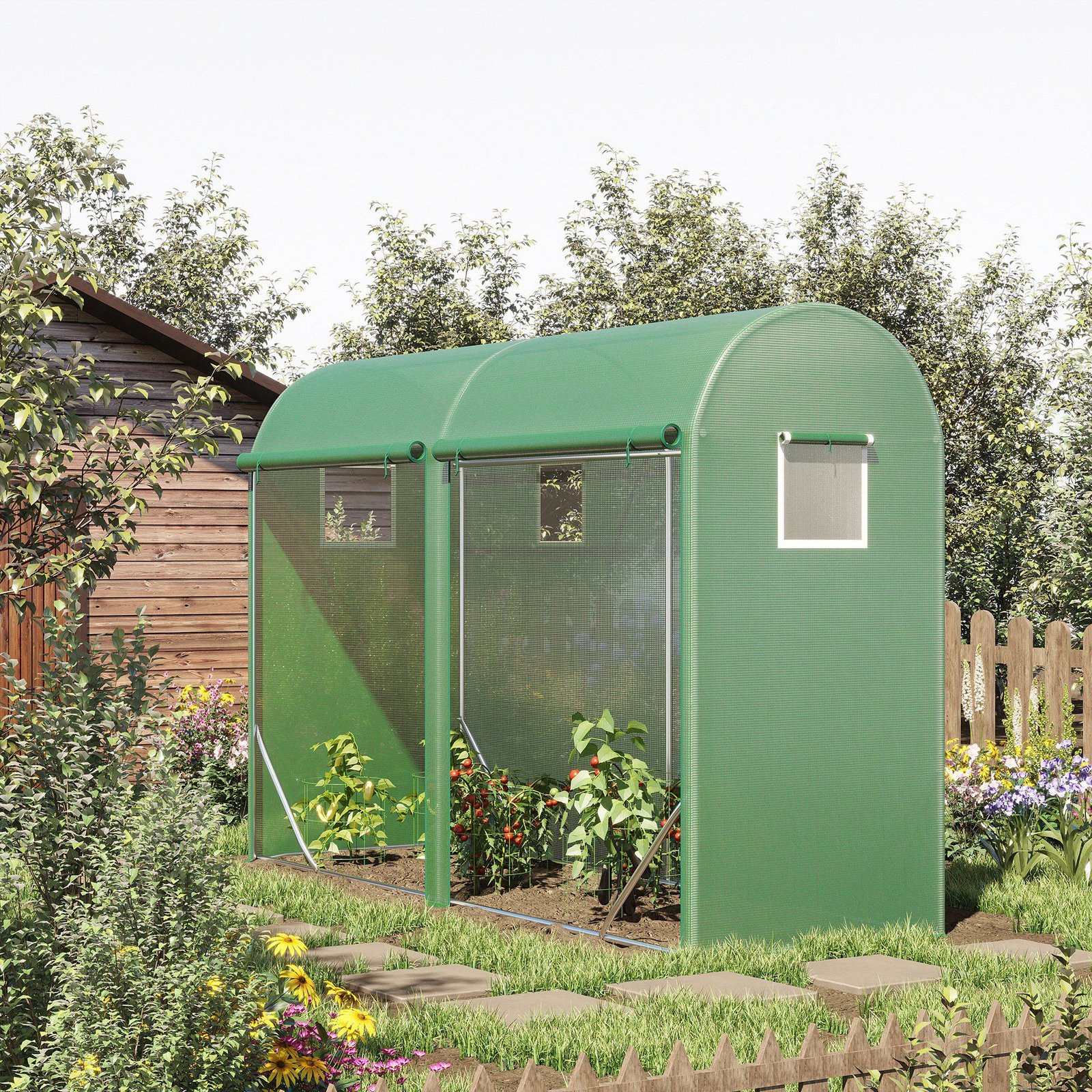
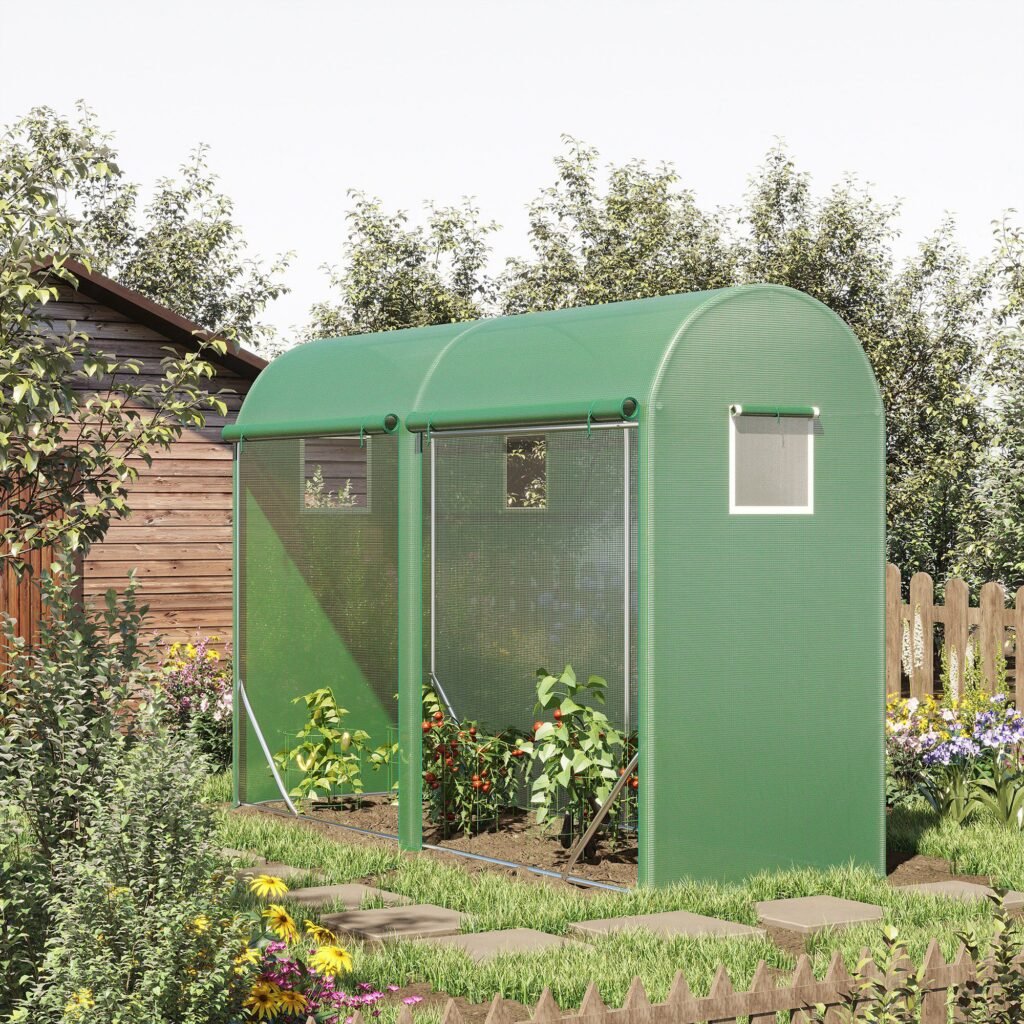
The best 10' x 3' x 7' walk-in lean-to greenhouse features a sturdy steel frame and a UV-protecting PE cover to create an optimal microclimate for flowers, vegetables, and tropical plants. Designed for space-saving wall attachment, it offers convenient access and temperature control with two doors and four roll-up windows.
Finding adequate growing space when you have a limited yard or a small patio can present a significant challenge for home gardeners. Traditional freestanding greenhouses take up substantial square footage and often block pathways. If you want to extend your growing season without sacrificing your entire outdoor living area, utilizing structural walls on your property is a smart strategy. This is where the best 10′ x 3′ x 7′ walk-in lean-to greenhouse, steel, 4 zipper roll-up windows & 2 doors, uv protecting pe cover for growing flowers, vegetables, tropical plants, saplings, succulents, green comes into play, offering a space-efficient footprint that attaches directly to the exterior wall of your home, garage, or shed.
Priced at just $101.11, this structure provides an affordable entry point for hobbyists looking to start seeds early, overwinter delicate perennials, or protect vegetable crops from pests and unpredictable weather. By sharing a support wall with an existing structure, it gains added stability against wind while potentially absorbing ambient heat radiating from your home. In this comprehensive review, you will learn about the exact material specifications, ventilation capabilities, assembly steps, and practical considerations to help you decide if this lean-to model fits your backyard gardening goals.
Table of Contents
Why Choose a Lean-To Walk-In Greenhouse
Maximizing Small Yards and Patios
Traditional freestanding greenhouses require clearance on all four sides, making them difficult to place in narrow side yards, small urban backyards, or tight patios. A lean-to design solves this spatial dilemma by utilizing a flat vertical wall as its rear boundary. Measuring 10 feet long by 3 feet wide, this model projects a mere 36 inches outward from your house. This shallow depth allows you to place the greenhouse along exterior walls, beneath wide eaves, or on apartment balconies without obstructing normal foot traffic.
Extending Your Growing Season
Starting seeds indoors under artificial lights often leads to weak, leggy seedlings, while direct outdoor planting is restricted by late spring frosts and early autumn chills. Placing a structured environment right against your house allows you to plant cool-season crops weeks ahead of schedule. The microclimate trapped inside the PE cover holds residual heat absorbed from the soil and your home’s exterior wall during the day, keeping tender vegetation safe when ambient temperatures drop at night. You can easily cultivate cool-weather greens, harden off saplings, or protect tropical potted plants from frost damage.
Key Specifications and Materials
Galvanized Steel Frame Construction
Durability starts with the skeleton of the structure. This greenhouse utilizes a galvanized steel frame designed to resist water corrosion, rust, and the degrading effects of constant humidity. Galvanization coats the underlying steel with a protective layer of zinc, preventing oxidation even when exposed to heavy garden watering and morning dew. The interlocking tubular pieces fit together securely to create a rigid framework capable of supporting the exterior cover and enduring seasonal winds, provided the unit is properly anchored.
UV-Protecting PE Cover
The translucent green covering is constructed from polyethylene (PE), a material favored in horticulture for its balance of light diffusion and tensile strength. Standard clear plastic often breaks down rapidly under intense sunlight and can scorch tender foliage by magnifying solar rays. The UV-protecting properties of this PE cover filter out harmful ultraviolet radiation while allowing the optimal spectrum of light to reach your plants. Additionally, the green tint helps the structure blend naturally into garden environments while providing a diffused light canopy that prevents hot spots inside the growing space.
Ventilation and Access Features
Dual Zipper Doors for Easy Movement
Navigating a narrow greenhouse with watering cans, trays of seedlings, and bags of potting soil requires smart access points. This model features two separate roll-up zipper doors positioned on the sides of the structure. Having dual entry points means you do not have to squeeze past delicate plants to reach the opposite end of the 10-foot span. You can open both doors simultaneously to create a cross-breeze, rapidly flushing out trapped heat and excessive humidity on warm spring afternoons.
Four Zipper Mesh Windows
Maintaining a healthy internal climate requires precise control over airflow and temperature. The enclosure is equipped with four side windows featuring secure zippers and inner mesh screens. These windows let you fine-tune ventilation without fully opening the main doors, preventing sudden temperature drops while still allowing fresh air exchange. The mesh barriers keep out larger garden pests, birds, and curious pets while your ventilation flaps remain rolled up.
Assembly and Placement Tips
Step-by-Step Assembly Process
Setting up your greenhouse does not require specialized construction skills or heavy power tools. The galvanized steel poles connect via push-pin fittings or simple connector joints, allowing you to build the skeletal frame section by section. Once the metal structure is fully assembled and squared up, the one-piece PE cover slips over the top like a fitted sleeve. Take your time aligning the corners to ensure the zipper doors and window flaps hang straight and operate smoothly without straining the seams.
Securing and Ground Placement
Because lean-to greenhouses have a lightweight profile, securing them properly to the ground and the adjacent wall is critical. The design includes extended PE cover edges at the base. You should dig a shallow trench around the perimeter, bury these extended flaps deep into the soil, and weigh them down with bricks, stones, or packed earth. This prevents wind from lifting the structure from underneath. Furthermore, positioning the unit against a sturdy wall gives you the option to use discrete wall ties or brackets to secure the upper frame against heavy gusts.
Pros and Cons
Pros
- Space-efficient 3-foot depth fits neatly against exterior walls, narrow side yards, and patios
- Affordable price point makes it accessible for beginner and intermediate gardeners alike
- Galvanized steel frame resists rust and water damage from daily humidity and watering
- Dual roll-up zipper doors provide easy entry and efficient cross-ventilation
- Four mesh windows allow precise climate control and airflow management
Cons
- Requires assembly and careful anchoring to withstand high winds
- Shallow 3-foot width limits the placement of wide shelving units or large containers
- PE cover has a finite lifespan and will eventually need replacement after several seasons of UV exposure
- Does not include built-in wire shelving, requiring you to supply your own staging tables
Frequently Asked Questions
Can I attach this greenhouse to a wooden or vinyl siding wall?
Yes, you can place the greenhouse against vinyl, wood, brick, or stucco exterior walls. However, because the structure leans against the building rather than bolting rigidly into it for structural support, you should ensure the ground beneath it is level and secure. If you live in a particularly windy area, adding independent wall brackets can provide extra security.
Does the greenhouse come with interior shelving?
No, the unit ships as the frame and cover assembly without pre-installed shelves. This open-floor design actually gives you the flexibility to customize the interior layout. You can set up multi-tiered wire plant stands, wooden benches, or place large pots and grow bags directly on the ground depending on what you are cultivating.
How do I anchor the greenhouse in high-wind conditions?
Proper anchoring relies heavily on utilizing the extended edges built into the bottom of the PE cover. Dig a trench around the base, bury these flaps underground, and pile heavy stones or soil on top. Additionally, securing the top frame to your exterior wall using standard hardware store brackets will prevent the structure from shifting during storms.
What temperature can the greenhouse maintain during winter?
While the PE cover and the radiating heat from your house wall help buffer freezing temperatures, unheated plastic greenhouses generally stay only 5 to 15 degrees Fahrenheit warmer than the outside air. If you plan to overwinter frost-sensitive tropical plants or grow crops deep into freezing winter months, you will need to add a safe greenhouse-rated electric heater.
How long does the PE cover last before needing replacement?
Under normal weather conditions with standard UV exposure, the polyethylene cover typically lasts between 2 to 4 seasons. Lifespan depends heavily on your local climate, intensity of direct sunlight, and how well you secure the structure against wind flap. Replacement covers can often be sourced separately when wear eventually occurs.
Investing in the best 10′ x 3′ x 7′ walk-in lean-to greenhouse, steel, 4 zipper roll-up windows & 2 doors, uv protecting pe cover for growing flowers, vegetables, tropical plants, saplings, succulents, green is a practical move for any gardener looking to maximize limited yard space. At $101.11, it delivers reliable season extension, dependable galvanized steel framing, and versatile ventilation options that make nurturing seedlings and delicate plants straightforward and rewarding.

Related Products You May Like